


13 Feb Winter Dental Care Tips: Preventing Dry Mouth in Arizona
Winters in Arizona are dry, sunny, and mild. In fact, with daytime highs in the 60’s and very little rain, it’s a great time of year to get outdoors. But as lovely as our desert climate can be in winter, the dry air can affect your dental health more than you might expect.
Dry mouth often gets brushed off as a minor inconvenience. In reality, saliva does important work every day. When there is less of it, teeth and gums lose a layer of protection. Plaque builds up more quickly, increasing the chances of cavities, gingivitis, and bad breath. Here’s what you can do to keep dry mouth from turning into a bigger problem.
What Is Dry Mouth, and Why Does It Happen in Winter?
Dry mouth (xerostomia) is a medical condition that happens when the salivary glands do not produce enough saliva. Your saliva helps keep your mouth clean, neutralize acid attacks, and protect your tooth enamel. Without enough saliva, bacteria start to multiply and form colonies of plaque.
Winter conditions often make dry mouth worse. The air is dry, humidity is low, and heaters run more often. Cold air holds very little moisture. Indoor heating dries the air even further. Many people also drink less water when temperatures drop. In Arizona’s desert climate, those factors tend to stack up quickly.
Is Dry Mouth Worse in Arizona?
For many people, it is. Arizona’s low humidity affects the mouth year-round, not just during winter. When cooler temperatures are added to the mix, along with indoor heating, dryness becomes more noticeable.
Hydration habits also change in colder weather. People often feel less thirsty and drink less water without realizing it. When dry air and lower fluid intake combine, dry mouth symptoms tend to last longer and feel more severe.
Why Dry Mouth Is Dangerous for Your Oral Health
Saliva acts as one of the mouth’s natural defense systems. Without it, dental problems can develop faster than you might expect.
- Tooth decay: Without saliva to neutralize acids, plaque and bacteria can damage enamel more easily.
- Gum disease: Dry conditions allow bacteria to collect along the gumline.
- Bad breath: Odor-causing bacteria thrive when the mouth lacks moisture.
- Oral infections: A dry mouth increases the risk of bacterial and fungal infections.
- Daily discomfort: Chewing, swallowing, and speaking can become uncomfortable.
Studies examining xerostomia consistently link chronic dry mouth with higher rates of cavities and other oral health complications, especially when saliva production remains low.
Preventing Dry Mouth in Winter: Practical Tips That Work
Small changes can make a noticeable difference, but first you need to learn to be aware of when your mouth is dry. Try to notice when you feel dehydrated—for instance, if you’re reaching for your lip balm, you probably need a drink of water.
- Drinking water throughout the day helps keep your mouth hydrated, even when thirst is low.
- Using a humidifier can add moisture back into indoor air, especially overnight.
- Limiting caffeine, alcohol, and sugary drinks can help reduce the dehydration that makes dry mouth worse.
- Smoking and vaping will also make dry mouth worse
- Chewing sugar-free gum can encourage saliva flow between meals.
- Use an alcohol-free mouthwash to avoid additional irritation.
- Breathing through the nose instead of the mouth can slow moisture loss.
- Check to see if any of the medications you take cause dry mouth as a side effect, and ask your doctor if there are any alternatives.
Protecting Your Smile All Year Round
Dry mouth is a common problem, especially in Arizona. Understanding why it happens and taking steps to prevent it can help you improve your dental health. If dry mouth has become a persistent problem, you might need some preventive dental treatments, like an extra cleaning to remove plaque and tartar.
For the best dental care in Sun Lakes, contact Saba & Chiappetti Dental Associates to schedule an appointment.
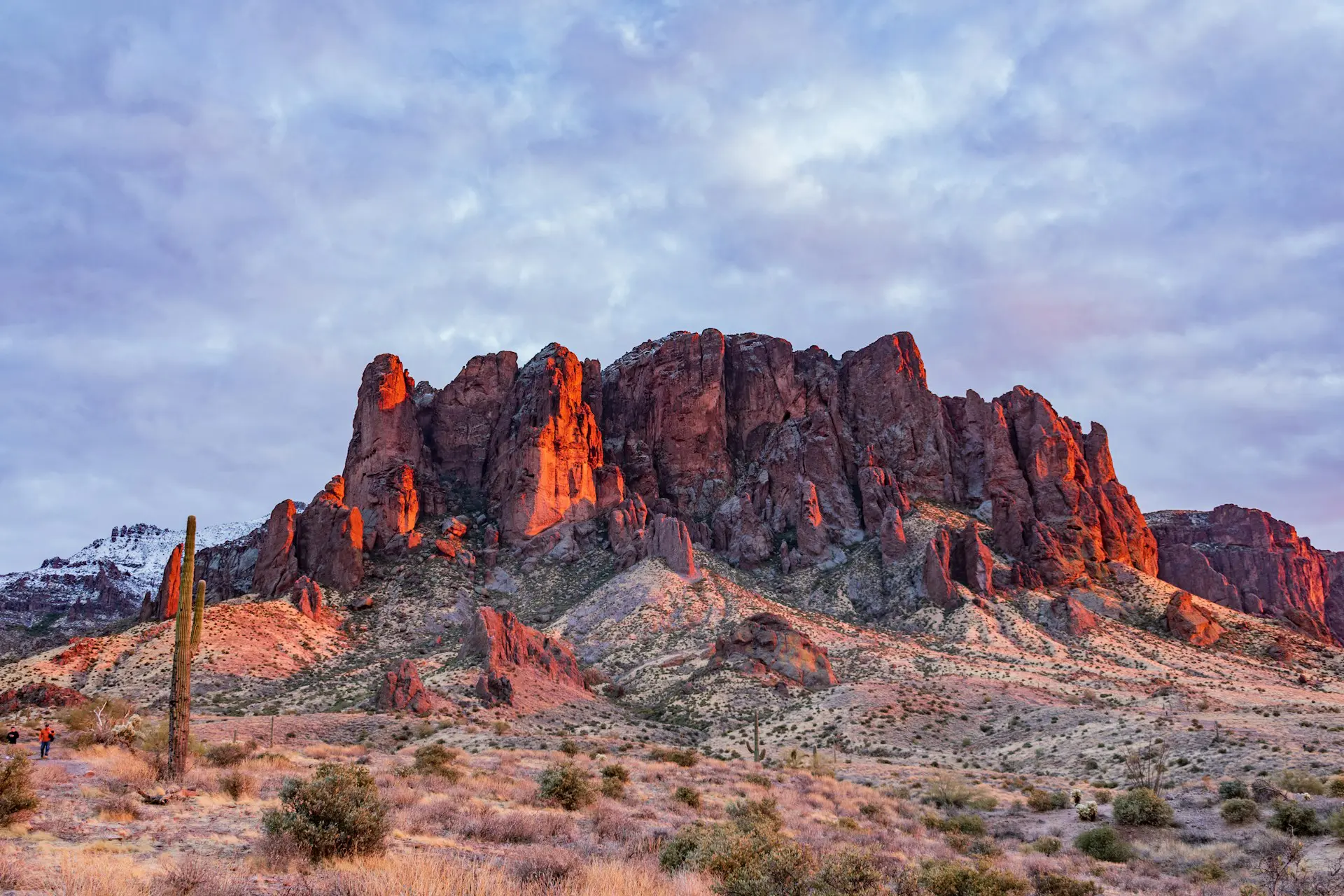
Photo by Andrew Ruiz on Unsplash used with permission under the Creative Commons license for commercial use 2/10/26.