



18 Mar Eight Common Medications That Cause Dry Mouth
You drink tons of water, but still have a dry mouth. So what gives? It could be the medications you’re taking.
Over 500 different medications can cause dry mouth as a side effect, everything from allergy medications and decongestants to pain relievers and blood pressure medications. And while dry mouth might not seem like a major problem, it can actually do some serious damage.
Your mouth needs saliva to neutralize acids, rinse away bacteria, and remineralize your tooth enamel. Because a dry mouth allows plaque and tartar to build up more quickly, problems like cavities, gum disease, and bad breath are soon to follow.
Here’s what you can do to prevent dry mouth so your teeth don’t pay the price.
What Types of Medications Cause Dry Mouth as a Side Effect?
A lot of people are surprised to learn that you don’t have to be on some obscure drug to experience this problem. Some of the most common prescriptions in the country are for medications that cause dry mouth.
According to the American Dental Association, more than 500 commonly prescribed medications list dry mouth as a side effect. In fact, dry mouth is one of the most frequent drug-related oral health complaints in the United States. And if you’re taking more than one of these medications, the side effects can add up quickly.
1. Antihistamines
Benadryl, Claritin, and other allergy medications block histamine receptors in the salivary glands, cutting saliva output noticeably.
2. Antidepressants
SSRIs and tricyclics can reduce saliva flow by up to 58%.
3. Blood pressure medications
Diuretics and beta-blockers lower fluid levels body-wide, and your mouth feels the effects.
4. Anti-anxiety medications
Benzodiazepines like Xanax suppress the nerve signals that tell your glands to produce saliva.
5. Muscle relaxants
Cyclobenzaprine and similar drugs also inhibit saliva production.
6. Incontinence medications
Oxybutynin (Ditropan) reduces smooth-muscle activity throughout the body, including the salivary glands.
7. Decongestants
Pseudoephedrine dries out your mucous membranes, and your mouth is no exception.
8. Opioid pain relievers
Opioids suppress saliva production and other digestive tract secretions.
How to Prevent Dry Mouth If You Take Medications
You can’t stop taking your prescribed medications, but you can manage their impact on your oral health. Practicing a few simple habits can make a real difference.
- Sip water consistently throughout the day, not just at meals.
- Chew sugar-free gum with xylitol to stimulate your salivary glands.
- Use a humidifier at night, since dry mouth is often worse when you sleep.
- Breathe through your nose whenever possible.
- Avoid foods and drinks that make dry mouth worse.
It’s also worth noting that dry mouth makes you more prone to bruxism, a teeth-grinding habit that wears down the tooth enamel. People dealing with both issues at the same time often see their dental health decline quickly without realizing the connection.
Comprehensive Dental Care in Sun Lakes, Arizona
Medications that cause dry mouth are incredibly common, but the damage they do to your teeth doesn’t have to be. The sooner you address it, the better off your smile will be. If you’re worried about how dry mouth is affecting your dental health, contact Saba and Chiapetti Dental Associates to schedule a visit. We’ll work with you to create a treatment plan that protects your oral health and doesn’t interfere with your medications.
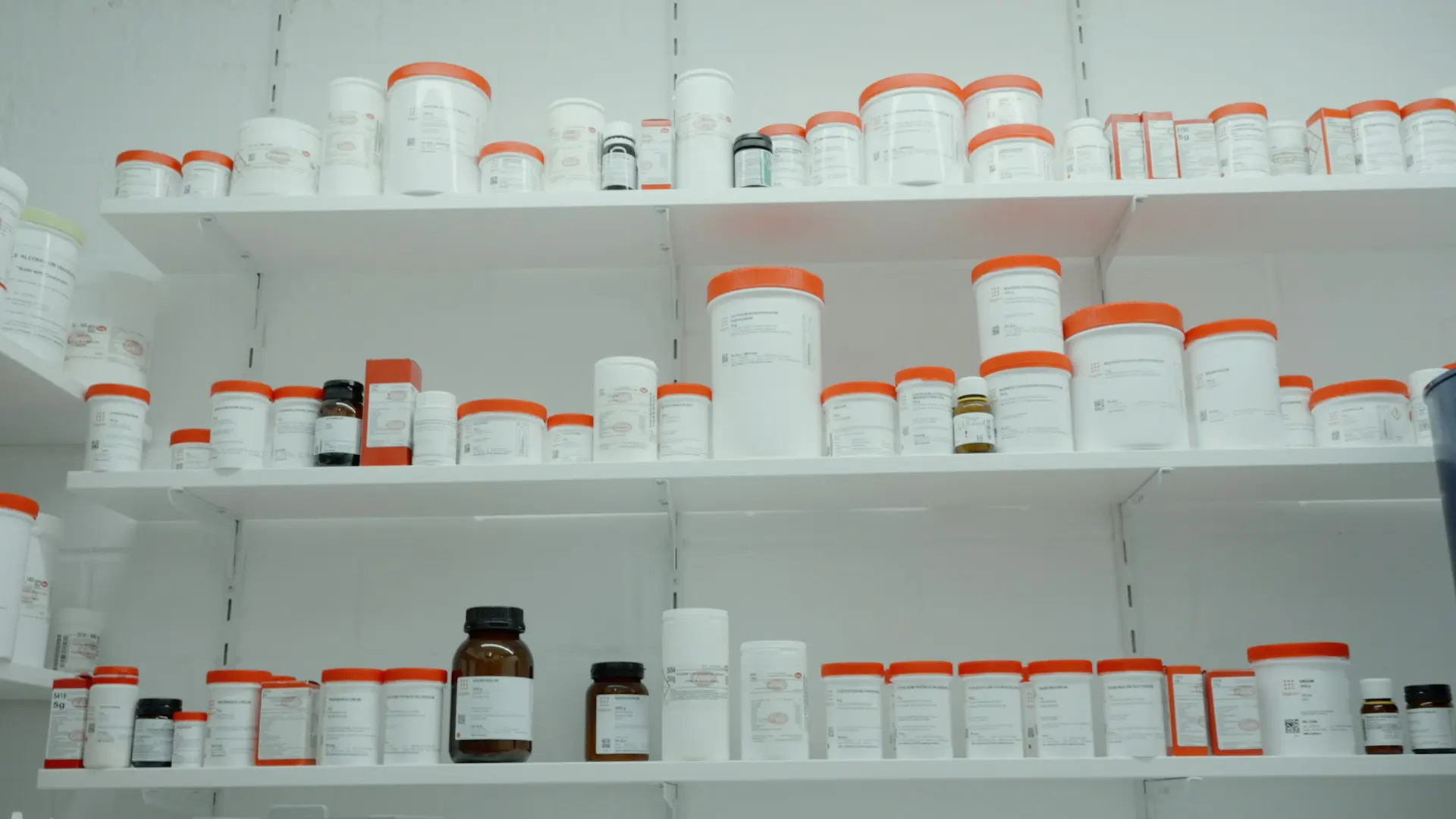
Photo by Jeff Trierweiler on Unsplash used with permission under the Creative Commons license for commercial use 3/4/26.