



03 Mar Do You Grind Your Teeth at Night? It Could Be Harming Your Enamel
Do you wake up with a sore jaw, sensitive teeth, or unexplained headaches? These symptoms may seem minor, but they often point to a more serious issue: teeth grinding.
Professionally known as “nocturnal bruxism,” this condition affects millions of Americans. Teeth grinding during sleep is an involuntary behavior that is hard to control. Some people don’t even know they grind their teeth until someone mentions the noise or a dentist examines their teeth. Luckily, your dentist can help address this issue before it leads to irreversible damage.
How Teeth Grinding Destroys Your Enamel
Did you know that tooth enamel is actually the body’s hardest substance? It’s even stronger than your bones, and it’s built to withstand a lifetime of pressure from biting and chewing.
However, if you grind your teeth at night, you’re subjecting your jaw and teeth to forces much stronger than normal chewing. The excessive force from chronic bruxism can lead to several health problems.
Side effects of bruxism include:
-
Worn enamel
-
Cracks or fractures in the teeth
-
Increased tooth sensitivity
-
Headaches or earaches
-
Jaw pain or TMJ disorders
What Are the Symptoms of Night Bruxism?
1: Worn Enamel
If your teeth look flatter, shorter, or rougher, it’s a clear sign of enamel erosion. Tooth enamel cannot regenerate after severe damage, so it’s crucial to seek professional dental care.
2: Sore Jaw or Tension Headaches
Jaw pain and headaches are two main symptoms of teeth grinding due to excessive clenching throughout the night. Muscle fatigue and joint strain can cause inflammation and tension that starts in the jaw and extends to the shoulders, neck, and temples.
3: Sensitive Teeth
As your enamel wears down, you might experience discomfort when consuming hot, cold, or sweet foods and drinks. Without the enamel to protect your teeth, exposure of the dentin is almost certain, causing sensitivity and nerve pain.
The Hidden Causes Behind Bruxism
The primary causes of teeth grinding at night include: stress, anxiety, sleep apnea, drinking alcohol or caffeine at night, or taking certain medications.
-
Stress could be related to a plethora of issues, from work pressure and financial trouble to relationship woes, showing up as nocturnal bruxism.
-
Sleep apnea and other sleeping disorders are also common with bruxism.
-
Drinking alcohol or caffeine in the evening also increases the risk of grinding your teeth at night by disrupting your sleep, causing dehydration, and stimulating muscle hyperactivity.
-
Certain prescriptions, particularly anti-depressants, anti-anxiety medications, and ADHD stimulants, list bruxism as a potential side effect.
Protecting Your Teeth from Further Damage
Wearing a custom night guard is the most common treatment for bruxism. It stops your upper and lower teeth from making direct contact and cushions your teeth, reducing the force exerted when you unconsciously clench or grind your jaw. Over-the-counter mouth guards are available, but professional options that fit your mouth more precisely and comfortably are best for consistent use.
Stress management can also help address the root cause of grinding. Regular exercise, meditation or yoga, cognitive-behavioral therapy, and a relaxing bedtime routine can all help you reduce stress and get a better night’s sleep.
Take the First Step Toward a Healthier Smile
Don’t wait for the damage to get worse! If you have any symptoms of bruxism, we can come up with a custom treatment plan. Take control of your oral health before bruxism takes a toll on your teeth. Contact Saba and Chiappetti Dental Associates in Sun Lakes to schedule an appointment today.
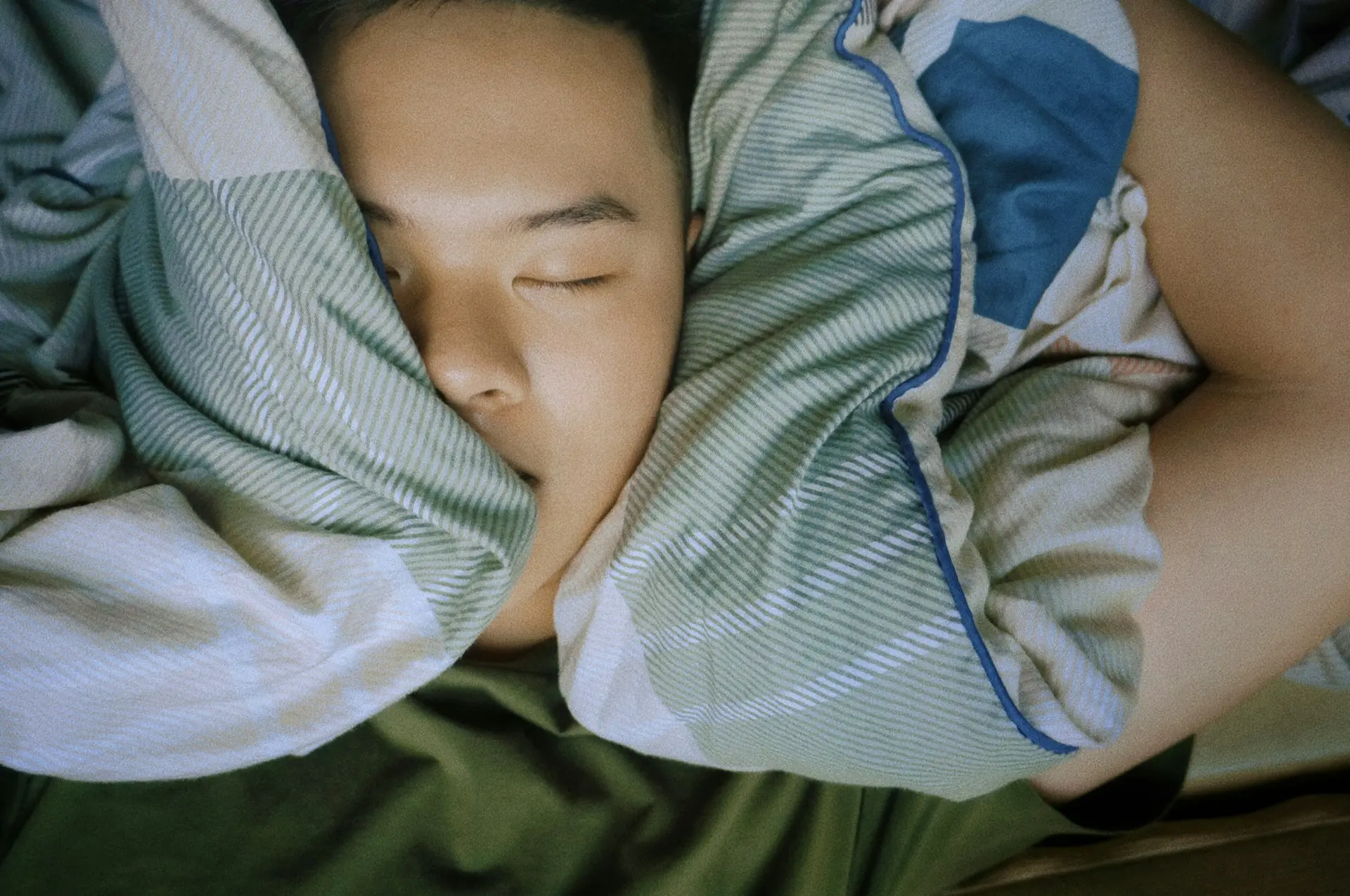
Photo by minh đô on Unsplash used with permission under the Creative Commons license for commercial use 2/14/26.