



25 Feb What Are the Symptoms of Gum Disease?
Many people think that symptoms like bleeding gums are only a minor concern. But it’s never a good idea to ignore the early warning signs of gum disease. Red, swollen, tender, or bleeding gums usually indicate gingivitis, a chronic gum infection that can quickly get worse.
While it can be prevented, you might not even realize you have gum disease until it’s already past the first stage. Here’s what to watch out for, and why you should see a dentist promptly for treatment.
The Three Stages of Gum Disease
- Gingivitis is the first stage of gum disease, and it is the only one that’s reversible. Tenderness and bleeding are both signs that treatment is necessary.
- The second phase of gum disease, periodontitis, is more severe. It’s often characterized by chronic bad breath and receding gums that pull away from your teeth, exposing their roots and making them look longer.
- The third stage is advanced periodontitis. Your teeth may start to loosen or shift, and eating becomes painful. Tooth loss is common at this stage, as the infection spreads to the roots of the teeth and the bone tissue that supports them.
Is There a Cure for Gum Disease?
Gingivitis can be reversed with professional cleanings and good oral hygiene habits. Periodontitis, on the other hand, cannot be cured. You’ll need continued support from your dentist to keep it from progressing to a more advanced stage.
Treatment options include deep cleaning services like scaling and planing, antibiotics to keep gum infections in check. In severe cases, surgical procedures like gum grafting can help protect your teeth or lessen the size and depth of gum pockets.
How to Recognize the Early Signs of Gum Disease
Getting treatment while your symptoms are still mild can help you save your teeth. Schedule a dental checkup if you notice:
- Bleeding after brushing or flossing
- Itchy, tender, or “puffy” looking gums
- Gums that look dark red instead of pink
- Persistent bad breath
Should I Go to the Dentist If My Gums Are Bleeding?
Bleeding gums are never normal. If your gums are bleeding when you brush and floss, by all means, see a dentist.
Although bleeding gums can be caused by things like overly aggressive brushing or incorrectly using dental floss, if it’s a consistent problem lasting more than a week, you could probably use a checkup. Ignoring your symptoms can lead to tooth loss as well as a higher risk of other health problems, including cardiovascular disease.
Get Treatment for Gum Disease at Our Sun Lakes Clinic
If you’re noticing any symptoms of gum disease, please don’t wait to make an appointment. The sooner we can provide treatment, the better.
We’ll give your teeth a professional cleaning, measure the depth of your gums to find out how deep the pockets are, and take scans to check for any signs of bone loss or infection. Next, we’ll come up with a treatment plan that keeps your gum disease in check and halts its progression.
At Saba and Chiappetti Dental Associates, we can help you prevent tooth loss and keep your teeth healthy for years to come! Contact us to schedule an appointment in Sun Lakes today.
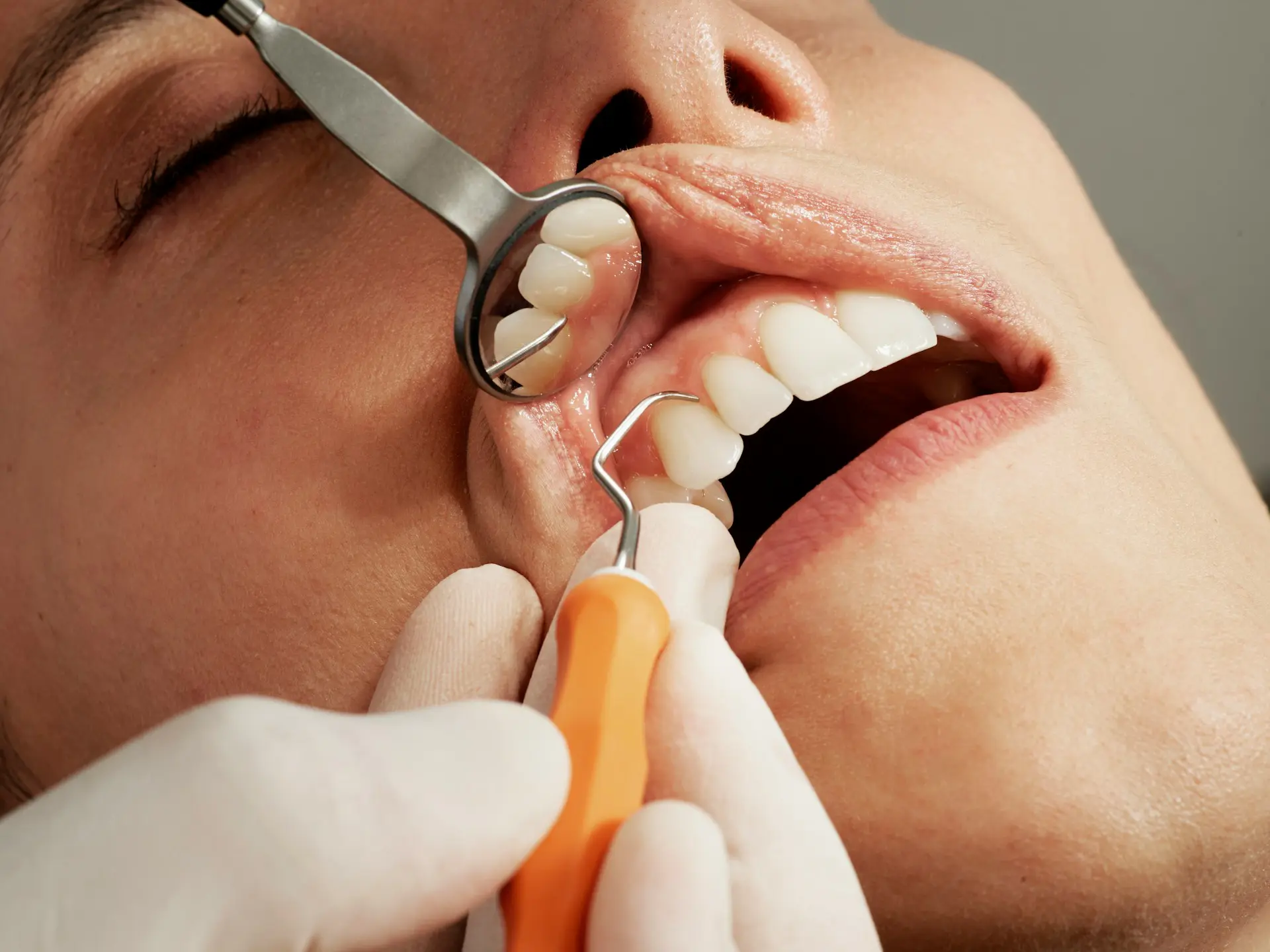
Photo by Caroline LM on Unsplash used with permission under license for commercial use 02/25/2026.